Reviewed by John Daly-Peoples
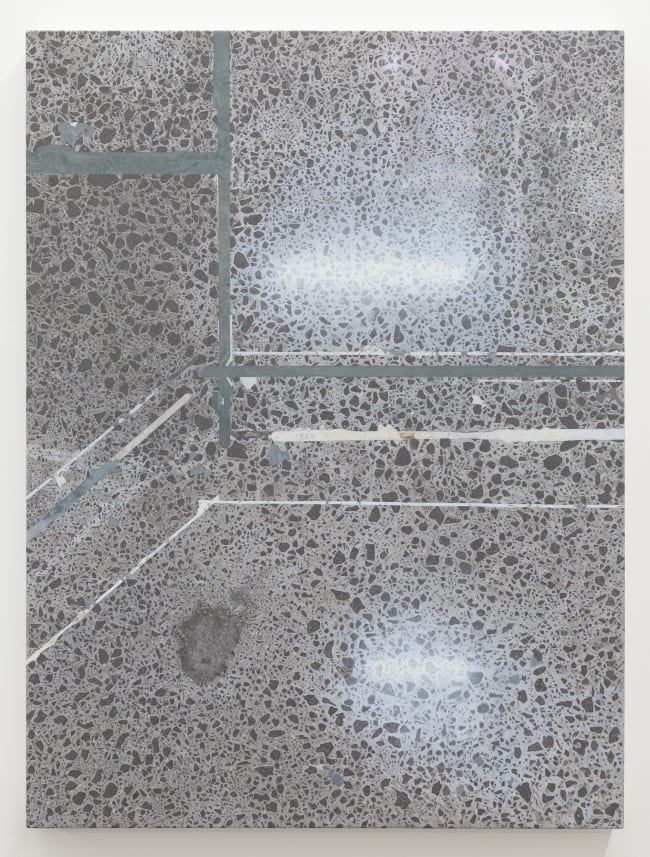
Ruth Cleland, Concrete
Sumer Fine Art
Until July 22
Reviewed by John Daly-Peoples
In her latest exhibition ”Concrete” Ruth Cleland continues her interest in the accurate depiction of her environment along with the use of the grid.
Gridding is a technique that has been used by many artists throughout history using horizontal and vertical lines over drawings or photographs for enlargement and transfer purposes.
Cleland uses a grid to transfer images of concrete floors onto board using either graphite pencil or acrylic. These images such as “Concrete Floor 3” ($12,8000) show the polished concrete surface with imbedded scoria along with signs of previous uses and marks.
The works are akin to the work of the Boyle Family who randomly chose sites or parts of the body which they then recreated, the completed work offering new interpretations of the environment or body.
These images of concrete floors could be of the floor of the gallery with its various sections of ground and polished concrete laid over the years. They are in fact of a supermarket floor that the artist has previously used as subject matter. One image, “Concrete Path” ($12,800) has a more personal connection being the concrete path outside the artist’s home.
These images of concrete are meticulous in their accuracy but the artist shows her skill in the depiction of both ambient light sources as well as overhead lights.

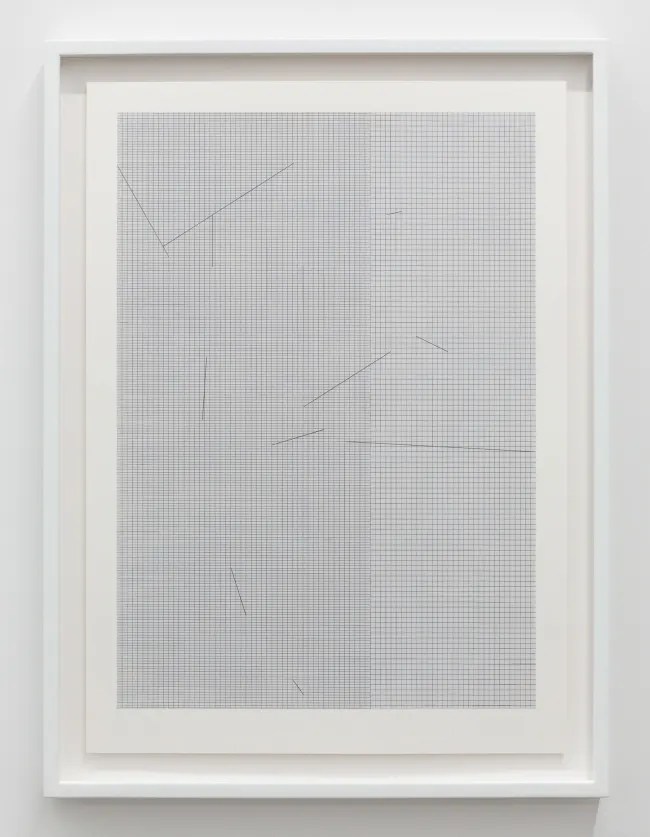
In some cases there is a companion piece to the photorealistic image as with “Concrete Floor 1” and “Grid / Concrete Floor 1” ($12,800 pair). The lines drawn on the grid have been used here to indicate the striations seen in the drawing as well as light intensity. This recording adds to the enigmatic nature of the work suggesting there is an underlying plan or logic inherent in the image itself which the artist has revealed.
To subscribe or follow New Zealand Arts Review site – www.nzartsreview.org.
The “Follow button” at the bottom right will appear and clicking on that button will allow you to follow that blog and all future posts will arrive on your email.
Or go to https://nzartsreview.org/blog/, Scroll down and click “Subscribe”






 New Zealand Arts Review