John Daly-Peoples
Held every three years, the Walters Prize is widely regarded as Aotearoa New Zealand’s most prestigious award for contemporary art. Over its 24-year history, the prize has helped elevate contemporary New Zealand art, both nationally and internationally. Conceived as a platform to showcase excellence in the visual arts, it has bolstered careers, stimulated critical debate and enriched the cultural life of Tāmaki Makaurau and wider New Zealand.
Four artists have been selected by an independent jury for works exhibited between February 2023 and February 2026.
In making their selection, the jury made the following comments: “These artists have made an outstanding contribution to contemporary art in Aotearoa over the last three years, a period marked by political unrest, escalating conflicts, and environmental devastation. Rather than amplifying this turbulence through spectacle, they each respond to the disorientation of our times by turning an acute attention toward local and personal narratives, while expanding the material and conceptual possibilities of their practices.”
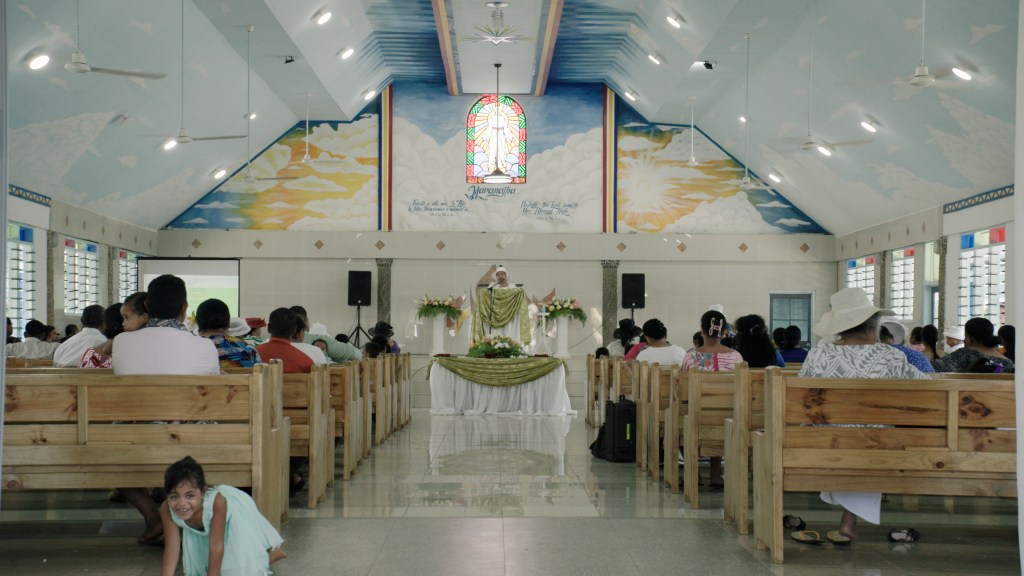
Edith Amituanai (born 1980, Tāmaki Makaurau Auckland) is a New Zealand-born Samoan lens-based artist based in Tāmaki Makaurau Auckland. Amituanai was nominated for Vaimoe, 2024, first exhibited in Edith Amituanai and Sione Tuívailala Monū: Toloa Tales, Christchurch Art Gallery Te Puna Waiwhetū, 2024, which demonstrates the artist’s recent shift into moving image while maintaining the gracious, lucid enquiry that has defined her practice over the last two decades. Vaimoe gently pushes against conventional ideals of home and belonging, exploring the ways relationships are upheld and maintained through proximity and distance, while acknowledging the challenges of change, disconnection, and communication.
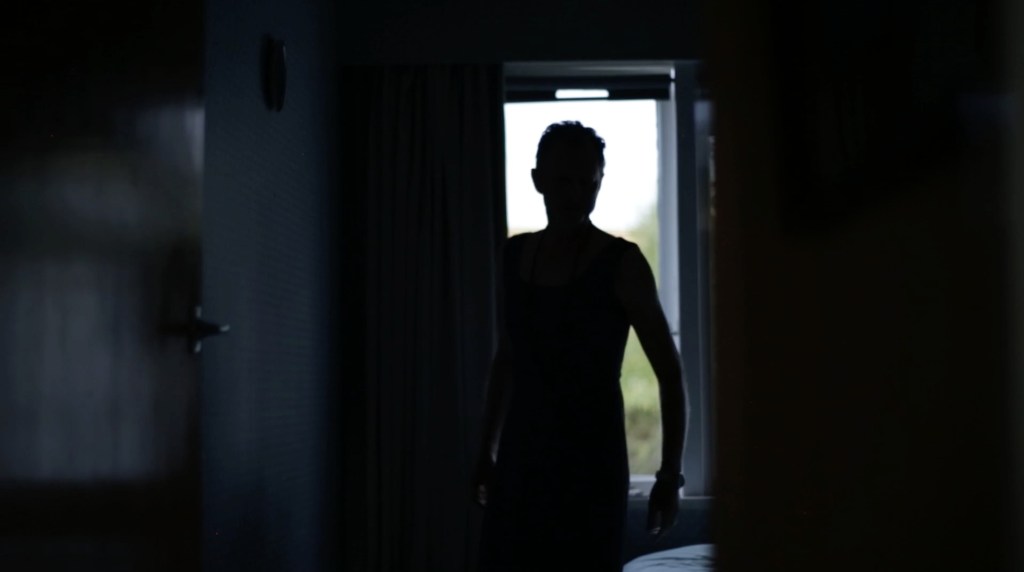
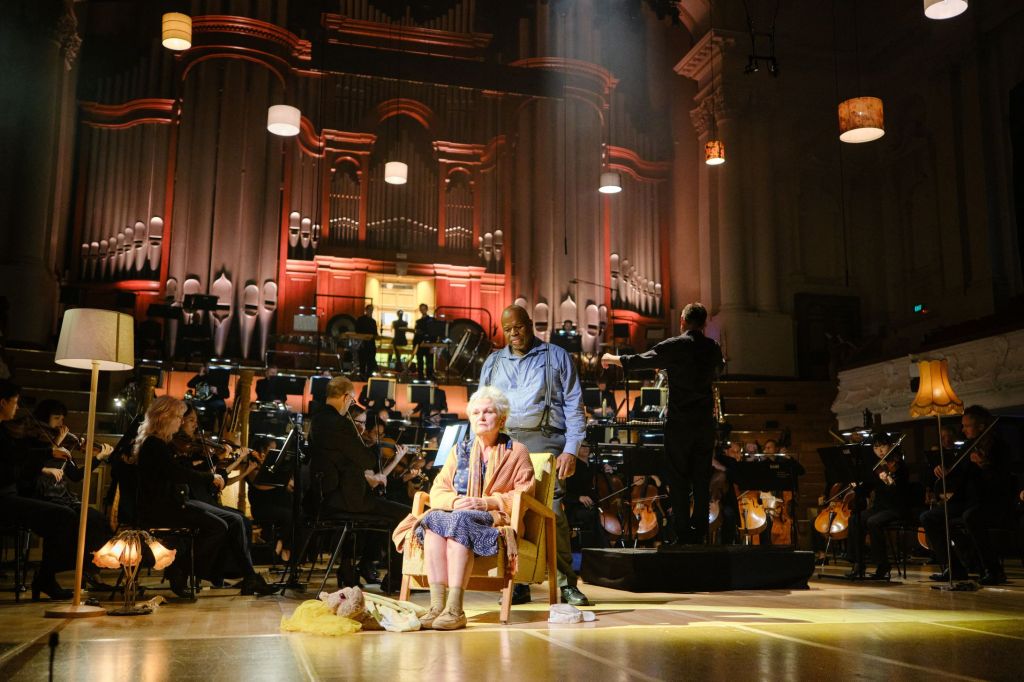
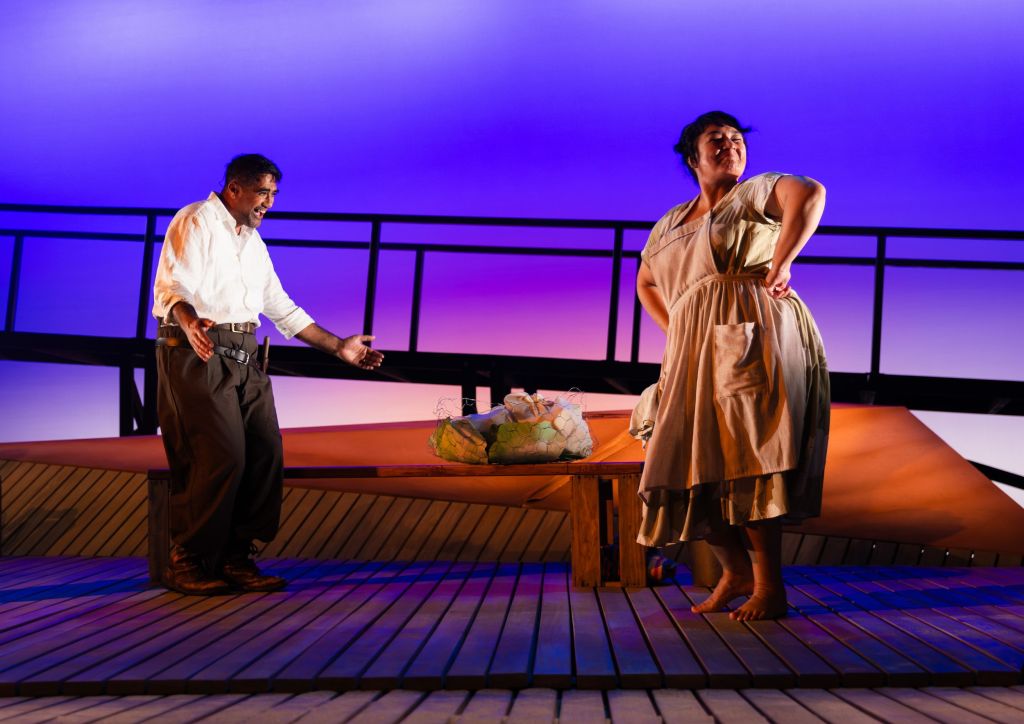
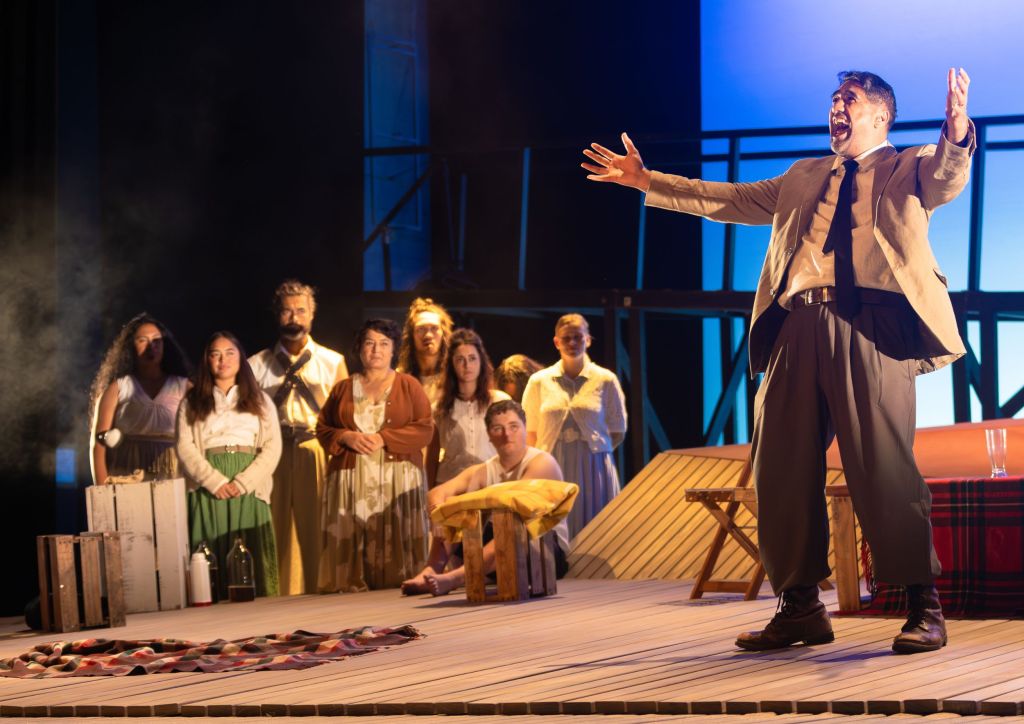
Richard Frater (born 1984, Te Whanganui-a-Tara Wellington) lives and works in Berlin. Frater was nominated for Nicky’s conversion, 2024, first exhibited at Klosterruine Berlin, 2024 and Lett Thomas, Auckland, 2025, a work that tenderly records the rehearsal of a sermon by an Anglican priest, articulating the challenges of reconciling the interior self with the structures through which we have come to understand the exterior world. With dignity and grace, the work describes a changing gender identity and offers a path through the Anglican tradition towards acceptance and love of ourselves and others.
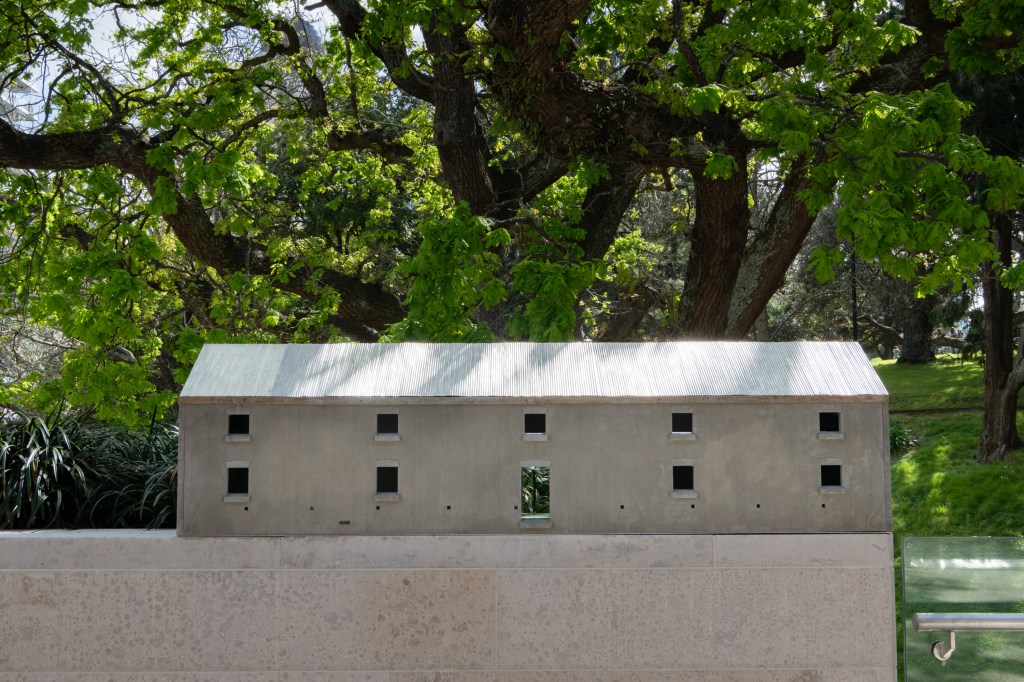
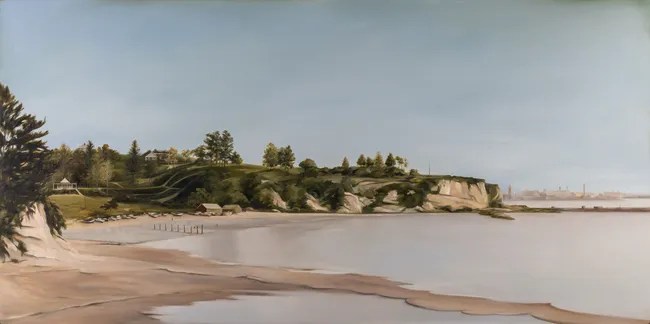
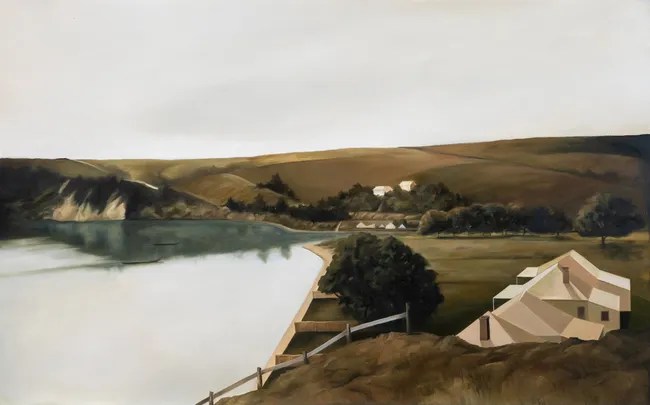
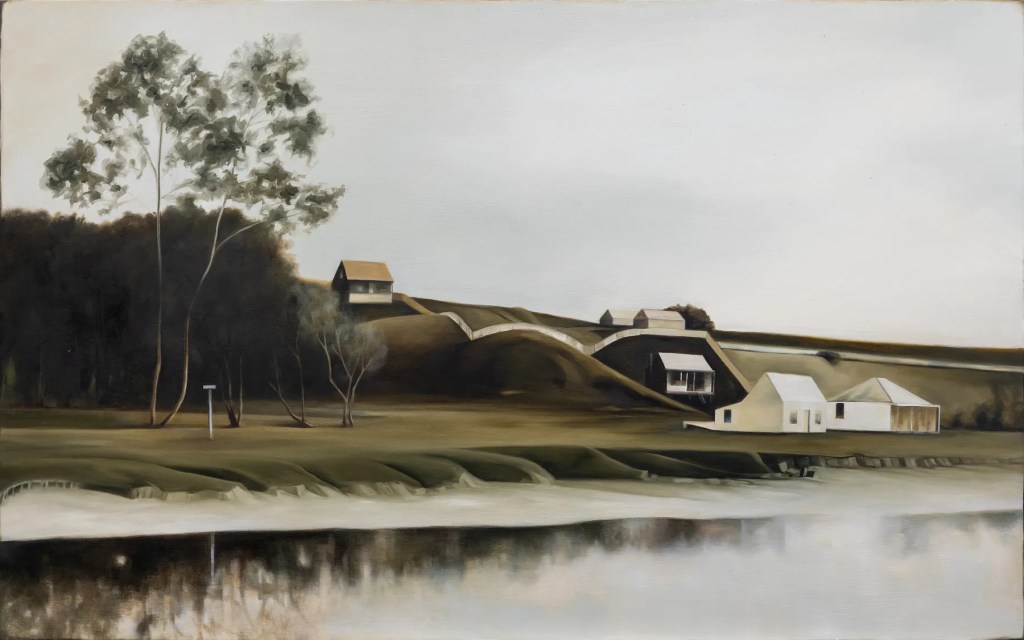
Ammon Ngakuru (born 1993, Tāmaki Makaurau Auckland) lives and works in Tāmaki Makaurau Auckland. Ngakuru was nominated for Three Scenes, commissioned for Auckland Art Gallery Toi o Tāmaki in 2025, a work that responds to the Gallery’s outdoor terrace and its site on Albert Park with an elegant restraint characteristic of his practice. Implicating the audience in its field of sculptural references, the work establishes a stage on which uncertain interpretation is acted out.
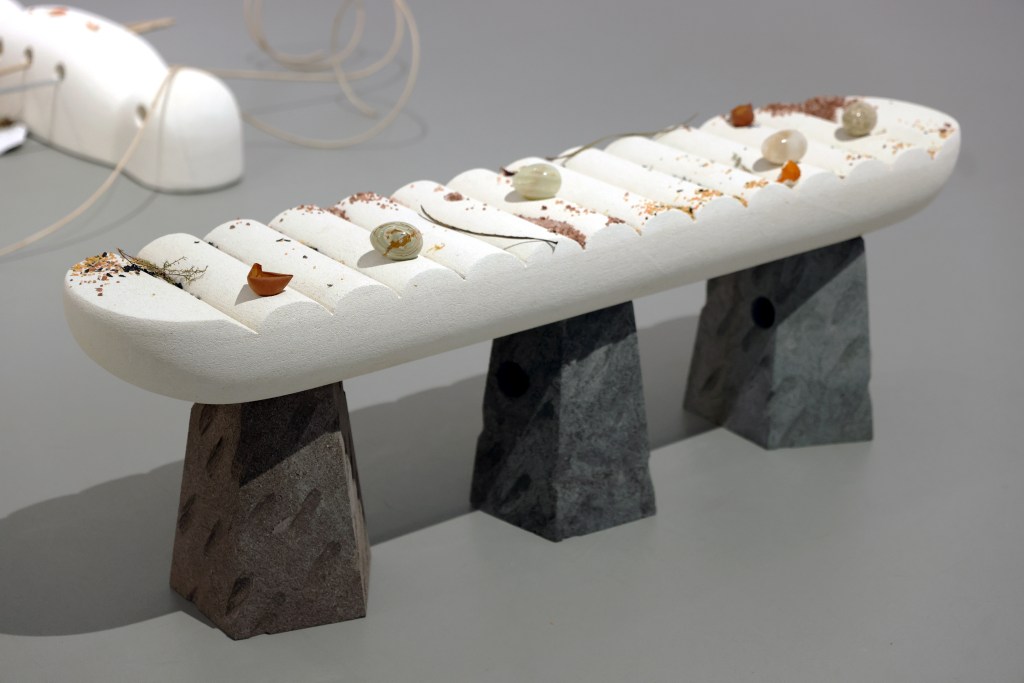
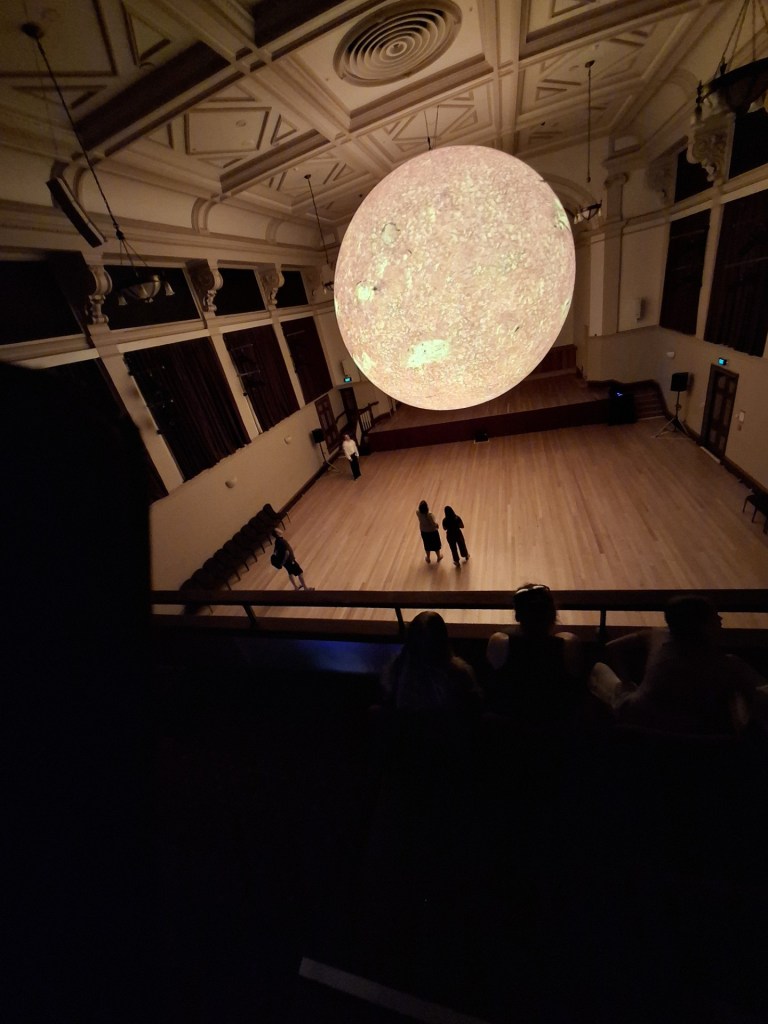
Sorawit Songsataya (born 1986, Chiang Mai, Thailand) is a Thai-New Zealand artist currently based in Bangkok. Songsataya was nominated for the exhibition Fibrous Soul, presented at Govett-Brewster Art Gallery, 2024, for its exploration of processes of accumulation, regeneration and transformation. Across moving image and sculpture, and including work made by the late weaver and kaitiaki of Te Niho o Te Ātiawa Maata Wharehoka, Fibrous Soul draws together organic and artificial materials, and customary and contemporary practices, to elucidate slippages between human and more-than-human worlds and the possibility of communication across them.
Tātaki Auckland Unlimited Director of Auckland Art Gallery Toi o Tāmaki Dr Zara Stanhope says, “It has been a privilege to begin my term as Director of the Gallery welcoming in the jurors and artists for the 2027 Walters Prize. Their selection is a poignant reminder of the breadth and range of art across Aotearoa New Zealand and of the activity currently shaping the visual arts as a healthy and vital part of the cultural sector.”
The finalists are invited to present new work or their nominated work at the Gallery in a public exhibition, scheduled to open in March 2027.
Auckland Art Gallery’s Senior Curator, Global Contemporary Art, Natasha Conland, who works closely with the artists to realise the prize exhibition and says, “These finalists express materially rich works with unique, often humorous and intellectually rewarding content. It’s not surprising that they each carry a large following of supporters who are looking to ask new questions of art, and to explore its potential,” says Conland.
 New Zealand Arts Review