Reviewed by John Daly-Peoples
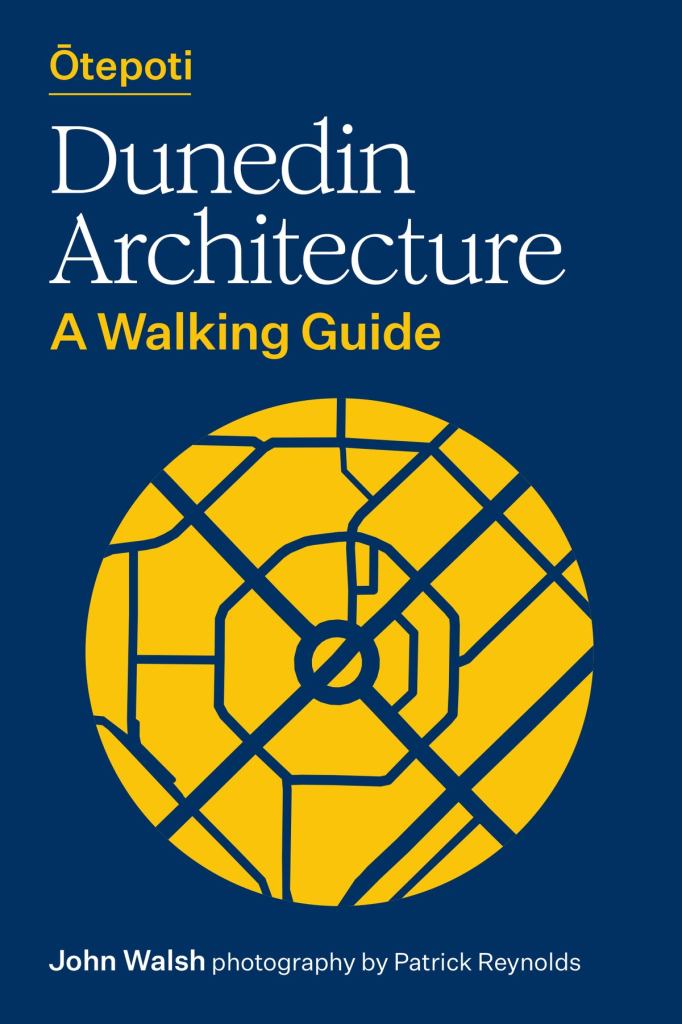
Ōtepoti Dunedin Architecture
A walking guide
John Walsh and photographer Patrick Reynolds,
Massey University Press
$39.99
Reviewed by John Daly-Peoples
Ōtepoti Dunedin Architecture, a walking guide is the fourth book in the series of handy pocket guides to New Zealand city architecture and is the most extensive yet. It features more than 130 Dunedin buildings in seven, self-guiding walks that range from the university district right across the city to the southern cemetery area and out to Port Chalmers.
With easy-to-follow maps, a well informed and engaging text by well-known architecture writer John Walsh and images by architectural photographer Patrick Reynolds,
The three previous books (Wellington. Auckland and Christchurch architecture) have proven to be invaluable and have all gone into second editions which is a major achievement for such niche publications.
The Dunedin book follows the outline of the previous books with a brief history of the city, its growth and the development of its architecture. As with previous books Walsh writes clearly about the buildings, placing them clearly with in the history of architecture in New Zealand.
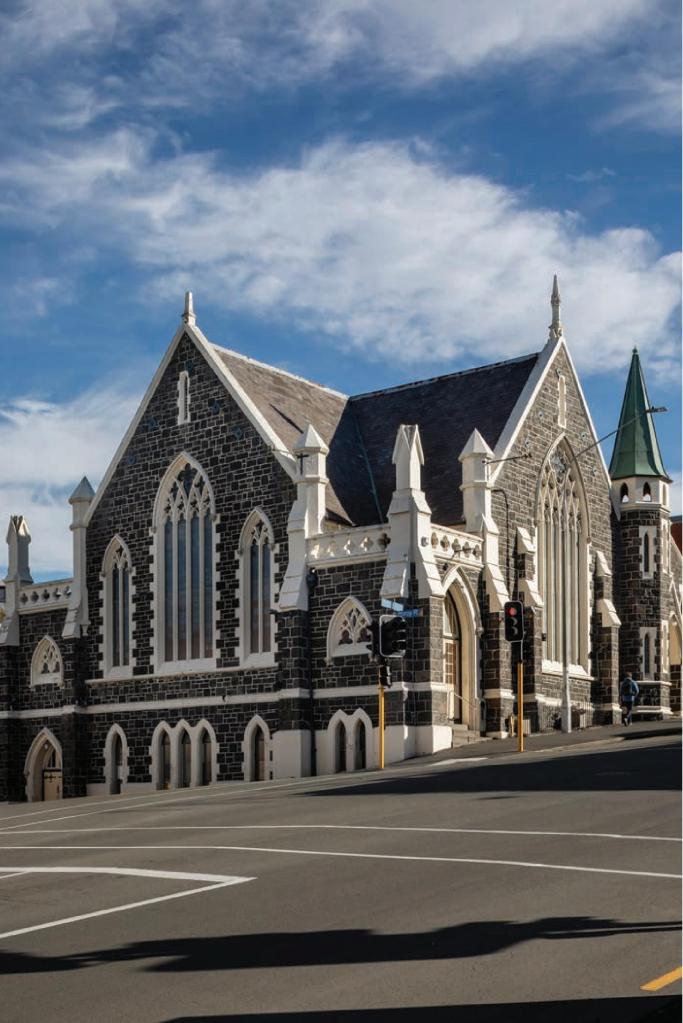
R A Lawton is given considerable space in the book as the architect of the First Church of Otago and Trinity Methodist Church as well as numerous other buildings including Larnach Castle making him an architect of great significant in the Dunedin area. He designed an estimated 46 church buildings, 21 banks, 134 houses, 16 school buildings, 13 hotels, 15 civic and institutional buildings, and 120 commercial and industrial buildings. Virtually all the building were built in the Dunedin area.
There are other notable inclusions such as F W Petre who has numerous buildings to his name in the city and he designed three of New Zealand’s cathedrals, each distinguished by a different architectural style: St Joseph’s Cathedral in Dunedin, the Cathedral of the Sacred Heart in Wellington and the Cathedral of the Blessed Sacrament in Christchurch.
Ted McCoy is one contemporary architect whose work features in the book with several works in the University precinct – the Richardson Building, the Archway Lecture Theatres and University College along with the impressive semicircular apse of St Pauls Cathedral
For the most part these are tours of New Zealand commercial and public buildings but there are a few domestic dwellings as well such Olveston.
In each of the tours we encounter some of the most important architectural gems of the city. So, in the City Centre Tour we encounter the Dunedin Railway Station and the First Church of Otago (“the most impressive of all nineteenth New Zealand churches”).
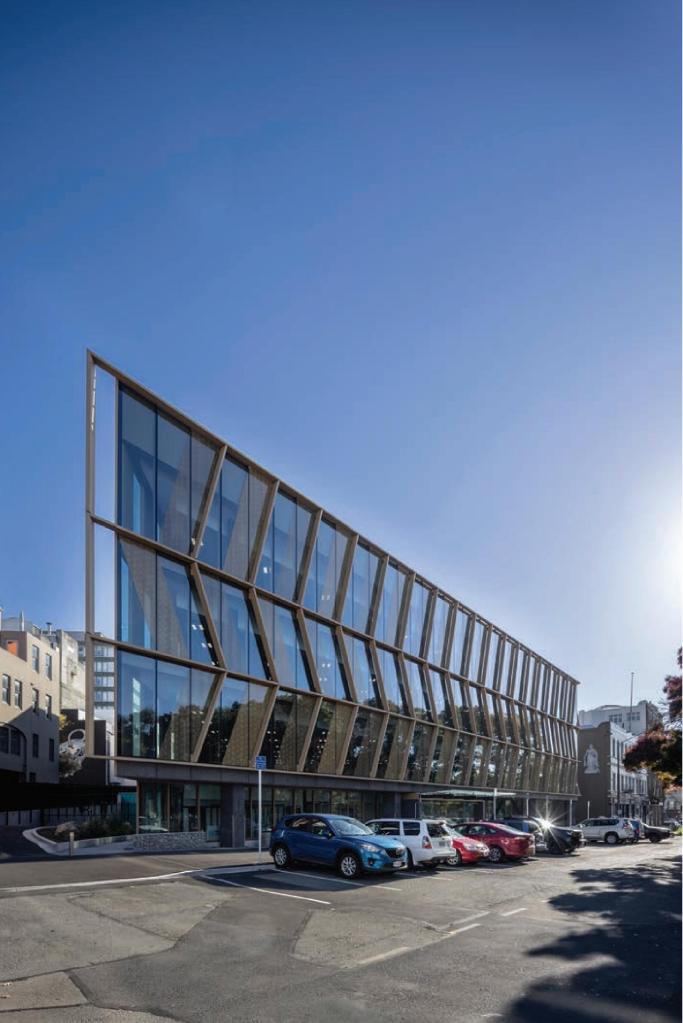
In the City South tour there is the Warren and Mahoney (with Aukaha) Ōtepoti, Toito Early Settlers Museum (a combination of three architectural styles) and the South City Substation (“one of the best buildings in a city stuffed with Gothic style churches as well as classically ordered banks and Renaissance inspired warehouses.
City West tour features Speight Brewery (Massive without being gaunt, and solid without being drab) and St Dominics Priory (the largest unreinforced mass-concrete building in the Southern Hemisphere) and Olveston (a memento of Dunedin’s Golden Age)
The City Northeast tour includes The University Precinct with its many nineteenth, twentieth and twenty-first century buildings and the Winter Gardens (first botanic garden building in New Zealand).
The other tours to the east of the city have fewer inclusions but some of the highlights are Larnachs Castle, the Bank of New Zealand in Port Chalmers which was the studio space of Ralph Hotere for many years and the English Gothic style Iona Church overlooking the settlement.
The book emphasises the work of some of the individual architects such as Edmund Anscombe, R A Lawon, Ted McCoy and F W Petre along with the architecture practices of Mandeno & Fraser, Mason, Wales and Miller and White who designed a number of the important building in the city.
There are a couple of instances where major artists are featured with their artworks included as decoration b. These include Jim Allen’s six panel frieze on the Arts Building, Simon Kahn’s dramatic facade on the EBB Hotel and Oliver Gross’s Cenotaph and the frieze on the Hercus building.


