Reviewed by John Daly-Peoples
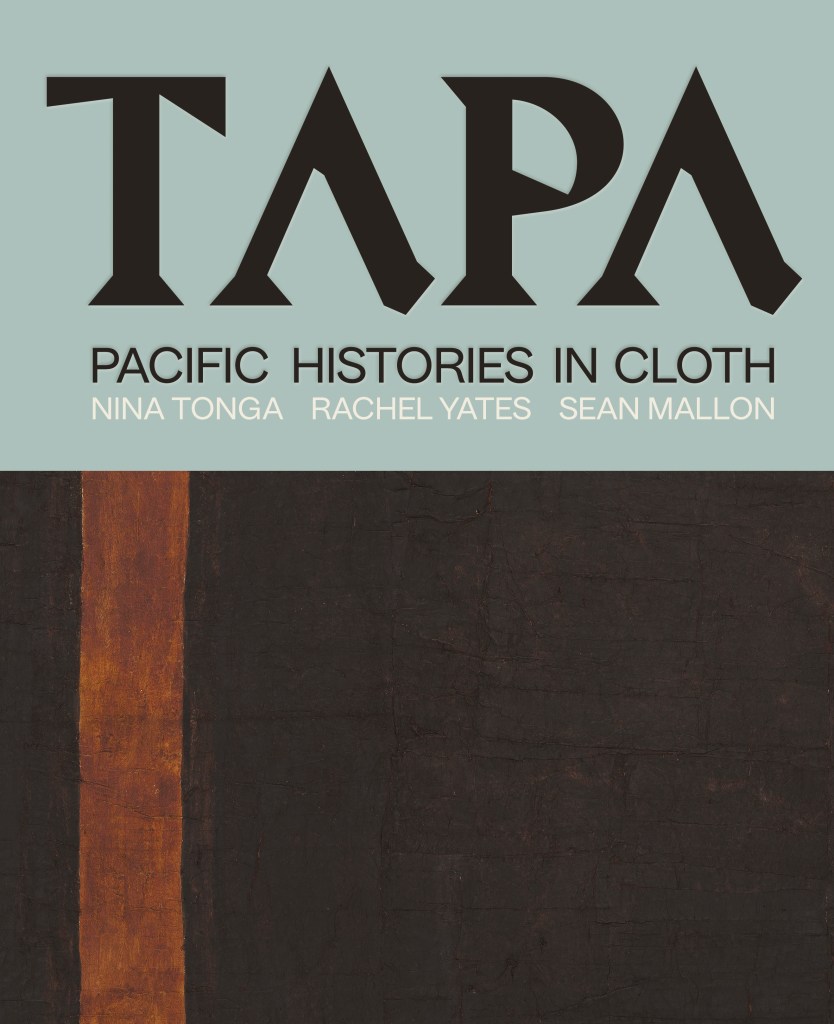
Tapa: Pacific Histories in Cloth
The story of tapa across the Pacific – art, dress, culture and curation.
By Nina Tonga, Rachel Yates and Sean Mallon
Te Papa Press
RRP $95.00
Reviewed by John Daly-Peoples
Tapa has a history spanning over 2,000 years across the Pacific, originating with early Polynesian and Lapita settlers who carried the knowledge and plant species mainly the mulberry tree across the Pacific.
The various Pacific, communities developed distinct regional traditions and terminology for barkcloth creating beautiful and functional tapa cloth from the inner bark of a range of tropical trees. It’s known by many names across the Pacific – aute in Aotearoa, siapo in Sāmoa, ngatu in Tonga, masi in Fiji, hiapo in Niue, ‘ahu in Tahiti, and kapa in Hawai‘i. It’s used for mats, clothing, hats, paintings, telling stories, and for Pacific peoples living in Aotearoa, observing the customs of their home islands.
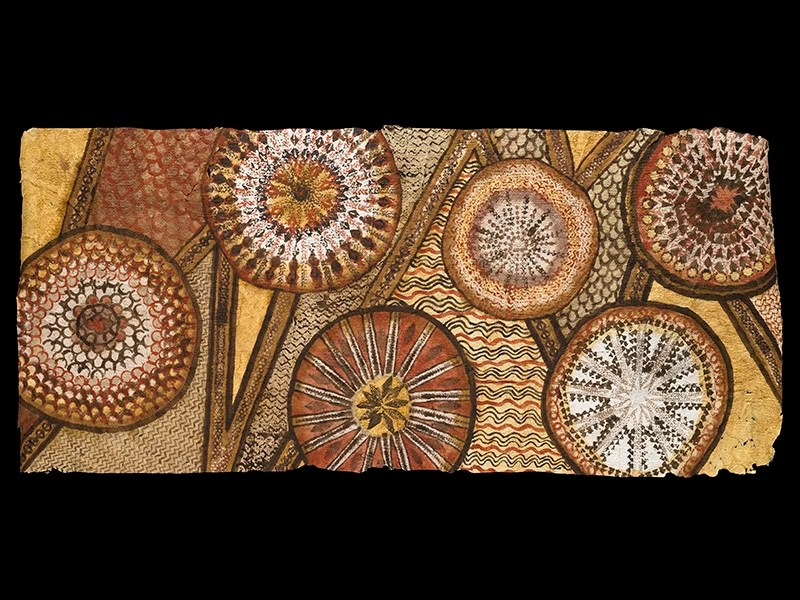
Tapa creation is deeply tied to women’s art, knowledge, and social status, passed down through familial bloodlines. Historically used for everyday clothing and bedding, tapa evolved into monumental display pieces and sacred items for weddings, funerals, births, and royal ceremonies.
The introduction of European cotton, combined with the influence of Christian missionaries in the 19th century, led to a steep decline in some Pacific communities
European travellers and scientists began recording examples of tapa from the time of Cooks’ voyages with one of the first publications being Alexander Shaw’s A Catalogue of the Different Specimens of Cloth collected in the Three Voyages of Captain Cook (1787):
Throughout the mid-to-late 1800s, 19th-century tapa pieces were increasingly collected by Western voyagers, museums (such as the Auckland War Memorial Museum and figures like Robert Louis Stevenson in Samoa, cementing its status both as a living art and an object of global ethnographic interest
In modern times, Indigenous artists, cultural practitioners, and institutions have worked to revive traditional techniques, preserve historical taonga, and connect Pacific communities across the diaspora to their heritage
Now after five years in the making, Te Papa has published “Tapa: Pacific Histories in Cloth” a monumental addition to publications about tapa by by Nina Tonga, Rachel Yates and Sean Mallon.
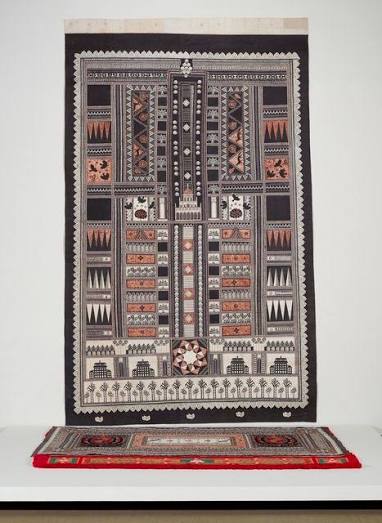
The book showcases the vast collections of the Museum of New Zealand Te Papa Tongarewa. Featuring over two hundred tapa from 18 Pacific island nations, from Taiwan to Hawai‘I, the book explores the lineages of tapa making across the Pacific. placing artists and makers at its centre, the authors and contributors of Tapa explore the processes and cultural politics of contemporary tapa making alongside experiences of migration, art, dress, conservation and curatorship that reflect the complex social and cultural lives of tapa cloth.
Many tapa featured in the book have never been published or displayed before. Captured by specialist detailed photography these taonga are brought into focus, with the larger tapa cloths featured on foldout pages.
Co-author Rachel Yates says of the selections for the book, “We had to balance things like visual impact, provenance and style, while doing our best to be attentive to representation. It’s important to note that our choices were shaped not only by the cloths themselves, but also by the histories of collecting that brought them into Te Papa’s care.”
The extensive illustrated spreads of this book will invite any reader to delve deeper into the rich and varied world of tapa and will come away knowing tapa is much more than just a textile. Nina Tonga considers many tapa histories as, “living histories held in memory and practice by makers, families and communities.
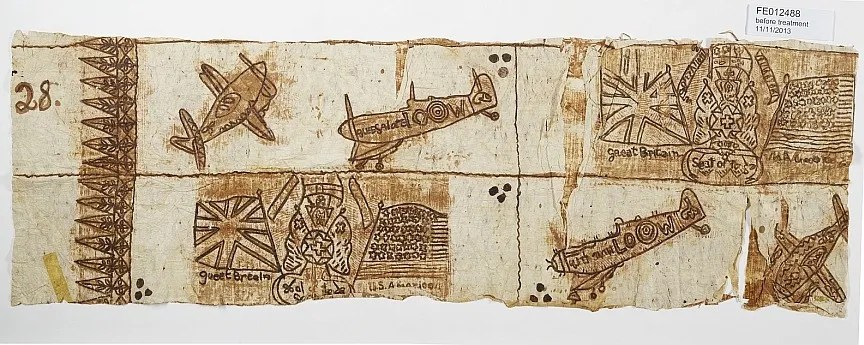
An unusual Tongan work from the 1940’s is of a Spitfire named Queen Sālote. The maker or makers of the ngatu have carefully depicted a view of the plane as seen from below, capturing the elliptical shape of the wing.
The book is filled with stories, images and information about tapa and those who have created them over many years.
The authors write about notable practitioners of tapa including individuals and groups such as the Pacific Sisters whose practice was often fashion centred in the1990’s. They also mention artists like John Pule whose paintings often referenced Niuean hiapo along with Sulieta Fieme’a Burrows and Tu Emma Gillies whose work has often used European art as subject matter.


