Reviewed By John Daly-Peoples
Tchaikovsky 4
6.30 Session
Auckland Philharmonia
Auckland Town Hall
April 9
Reviewed by John Daly-Peoples
Opening the Auckland Philharmonia new series of 6.30 Sessions were two works from Wagners opera “Tristan and Isolde” the Prelude and Liebestod (love-death).
In the opera this music is used to convey the culmination of the lovers, uniting them in death, the merging of love and mortality. Several of the thematic passages were used in Lars von Trier’s film “Melancholia” which had similar themes of love and destruction.
Much of the music expressed a deep yearning which contrasted with an unsettling anxiety initially expressed by the woodwinds and strings who engaged in a tortuous conversation.
This deep yearning slowly built to an ecstatic onslaught before returning to an earnestness expressing the depth of love and despair.
In the final monuments the orchestra sought a resolution as Isolde comforted the dying Tristan with some explosive music conveying a sense of pent-up energy before the final apotheosis.
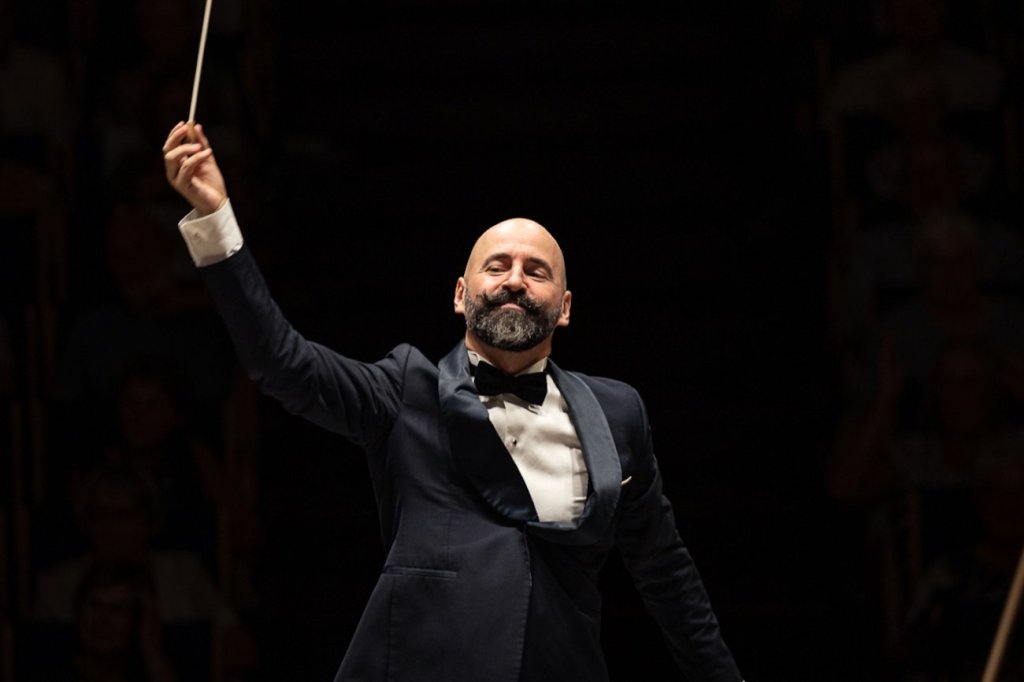
The conductor Pierre Bleuse seemed to respond to the music, his body creating sinuous shapes, crouching, arms spread wide and his exuberant hand gestures and dramatic flourishes added to the intensity of the piece.
There are a number of autobiographical symphonies where composers directly use elements of their personal lives, emotions, psychological struggles, and life narratives into the music. These works often act as musical depictions, blending personal experience with thematic development, exemplified by composers like Mahler, Shostakovich and Tchaikovsky.
Tchaikovsky’s Symphony No 4 like much of his music is deeply autobiographical, often channelling his intense depressions, secret homosexuality, and personal anxieties into his compositions. His most personal works, particularly his later symphonies, served as an emotional outlet for his inner torment, reflecting themes of fate, longing, and despair.
His Symphony No 4 of 1878 was written during a period of severe crisis following his failed marriage. In it he deals directly with the theme of “Fate” and his inability to escape his circumstance. His opera Eugene Onegin finished a year later also has semi-autobiographical elements, with the emotional dilemmas of the characters reflecting the composer’s own experiences with love and social pressures.
However, Tchaikovsky often used his ballet scores, such as Swan Lake as an escape into a “fantasy world” of beauty, contrasting with his intense melancholy.
The work opened with a strident form the brass and woodwinds, its joyful sounds tinged with a sense of desolation which hint at the composer depicting his elation at his renewed love of life but aware of his previous despondency. And the turbulent life around him. He seemed to wallow in his previous despair but looking forward to a new resolution.
The bleakness of the movement was punctuated by signs of light and hope provided by the sounds of the flutes which displayed touches of the composer’s ballet like melodies.
The music built to a crescendo of exaltation and release with the blaring brass which was followed by sequences of truly Romantic sounds lovingly crafted by the conductor.
The second movement opened with the woodwinds producing a Romantic yearning sound with some delightful sequences which the conductor insisted on extracting from the orchestra. In the third movement the strings engaged in a relentless pizzicato which was the composers display of musical showmanship.
The relentless strings wer3e interspersed with various instruments, notably the woodwinds and brass taking on a ballet-like momentum. Then, with e addition of the percussion instruments the orchestra created some exuberant sounds reminiscent of the composers “1812 Overture”.
The conductor Pierre Bleuse seemed inspired by the music his body swaying with intricate movements mirroring the rhythms of the music, with a dramatic display of timpani and cymbals.
After some menacing outbursts the orchestra began a joyous conclusion in an exploration of the composer’s minds and his turbulent past.
Bleuse carefully lowered the volume of the orchestra at times so that when he demanded more intensity, they were able to create a particularly dramatic sound.
The next Auckland Philharmonia 6.30 session will be Sheku & Elgar on August 12th and will feature Sheku Kanneh-Mason , described as a “Global phenomenon”. The British cellist is one of the worlds young classical stars in the world right now. His impressive resume includes winning BBC’s Young Musician of the Year, Artist-in-Residence at the New York Philharmonic and performing at the wedding of Prince Harry and Meghan Markle. Following his Carnegie Hall performance in April, this August he makes his New Zealand debut, performing Elgar’s Cello Concerto.

 New Zealand Arts Review