Reviewed by John Daly-Peoples
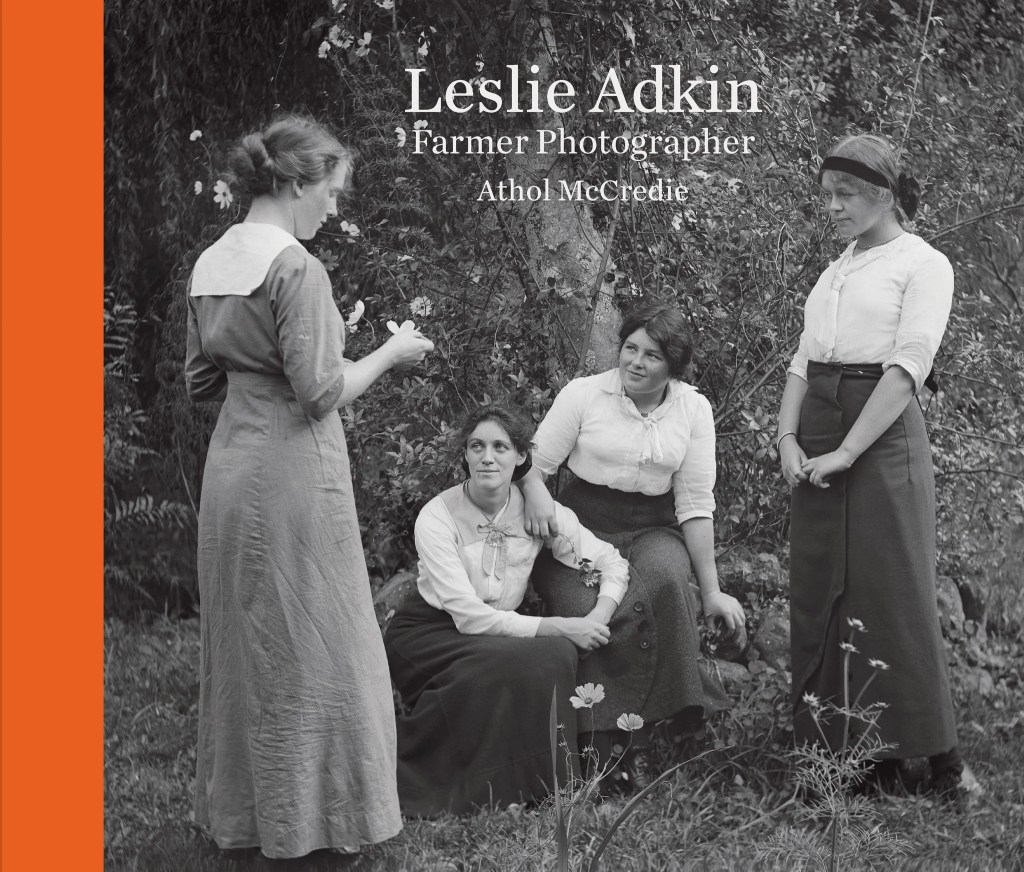
Leslie Adkin: Farmer Photographer
By Athol McCredie
Te Papa Press
RRP $70.00
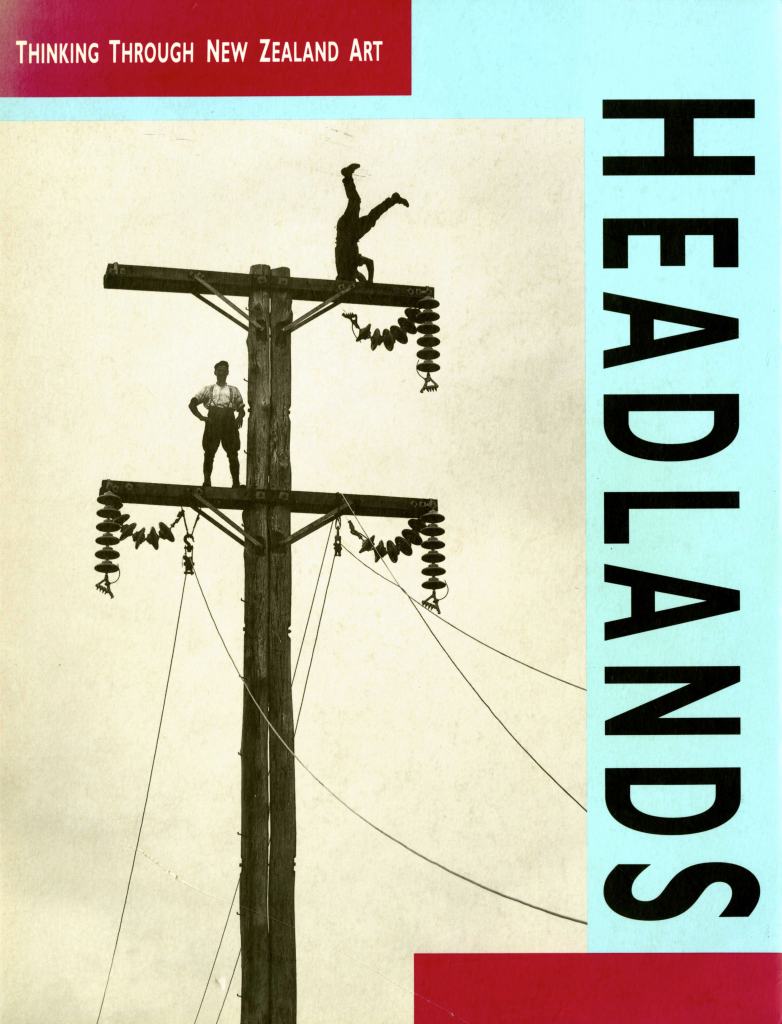
When the New Zealand exhibition “Headlands” showed at the Museum of Contemporary Art in Sydney in 1992 the catalogue cover featured a strange photograph of men cavorting on some telegraph poles. The photograph was being used as a visual metaphor for the notion of New Zealand art taking risks and being adventurous. The photographer of the work was Leslie Adkin but none of his work was included in the exhibition itself.
Leslie Adkin (1888–1964) was a Levin farmer who had an interest in many other fields who used photography to document these various interests as well as his farming activities and family life. His photographs taken between 1900 and the 1950’s form a remarkable collection now in the Te Papa photographic collection.
A new book on Adkin by Athol McCredie, the curator of Photography at Te Papa documents his life highlighting his photographic career and making his collection of photographic work more widely available.
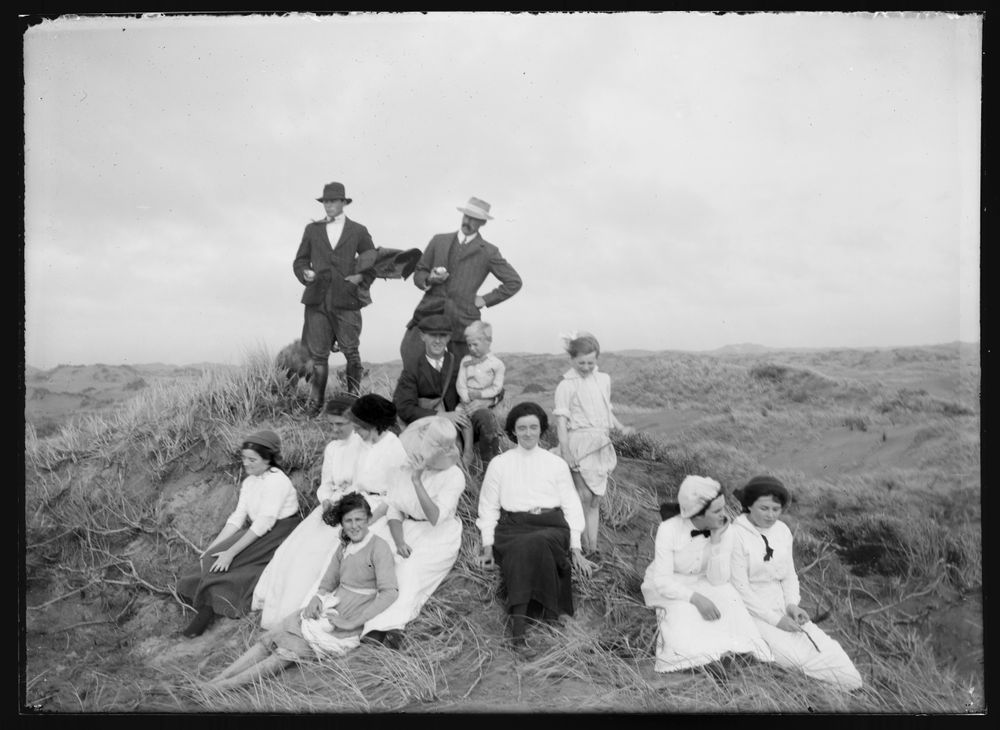
The 150 images in the book and McCredie’s text gives insights into the varied elements of Adkin’s life, including many photographs of his wife Maud, captured over the years in a range of intimate and engaging images. His documentation of his family varies from the formal portraits to the informal, capturing the wide range of activities they engaged in, and we see the children growing up, the family at work and at play which provides a unique visual record of a family.
He also recorded images of men at work on the farm along with images taken of the Mangahoa hydro-electric scheme which was close to his farm.
For Adkin the camera became an intimate part of his life, enabling him to create a visual diary as well as a means of commenting on and contemplating his daily life.
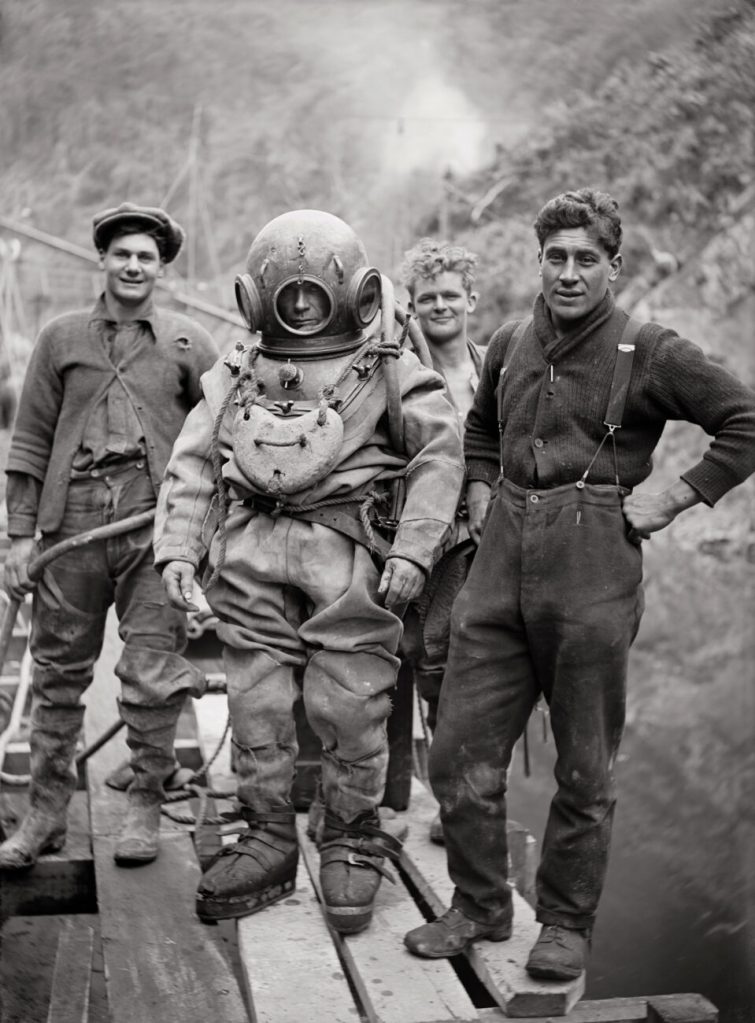
His images range from the banal to the dramatic as well as the eccentric. He seems to have had an intuitive grasp of what constitutes a good photograph and was able to frame his subjects, juxtapose figures was aware of contrasts of light and form.
Like the unusual image from the Headlands catalogue he seems to have had his own sense of what we would call “art photography” with his often low angle shots, quirky poses and an eye for visual humour.
McCredie regards Adkin as more than a talented amateur, saying “More comparable photographs were taken in Adkin’s own time, but none of their creators produced anything like such a large and consistent body of work as his. Adkin really applied himself to everything he did, including to his photography”.
McCredie also notes the Adkins took man y of his outdoor images under difficult conditions/ “He was using glass plates up until about 1930. They were inserted into the camera within double-sided wooden plate holders. All that glass and wood was both heavy and bulky and he only got twelve shots from his six plate holders before he had to reload them in a darkroom. On his 1911 crossing of the Tararua Range his camera gear weighed over seven kilograms. He shot a total of twenty-two photographs on this trip, so he obviously took along extra plates that he reloaded in a light-proof bag or under a blanket at night.”
Adkin s images offer a visual diary and commentary on transport, fashion, domestic interiors, family gatherings and farming practice which provide another perspective of life in the early twentieth century New Zealand.
To subscribe or follow New Zealand Arts Review site – www.nzartsreview.org.
The “Follow button” at the bottom right will appear and clicking on that button will allow you to follow that blog and all future posts will arrive on your email.
Or go to https://nzartsreview.org/blog/, Scroll down and click “Subscribe”

 New Zealand Arts Review
One reply on “Leslie Adkin: Farmer Photographer”
Thanks. Ordered it from library….R
LikeLike