Reviewed by John Daly-Peoples
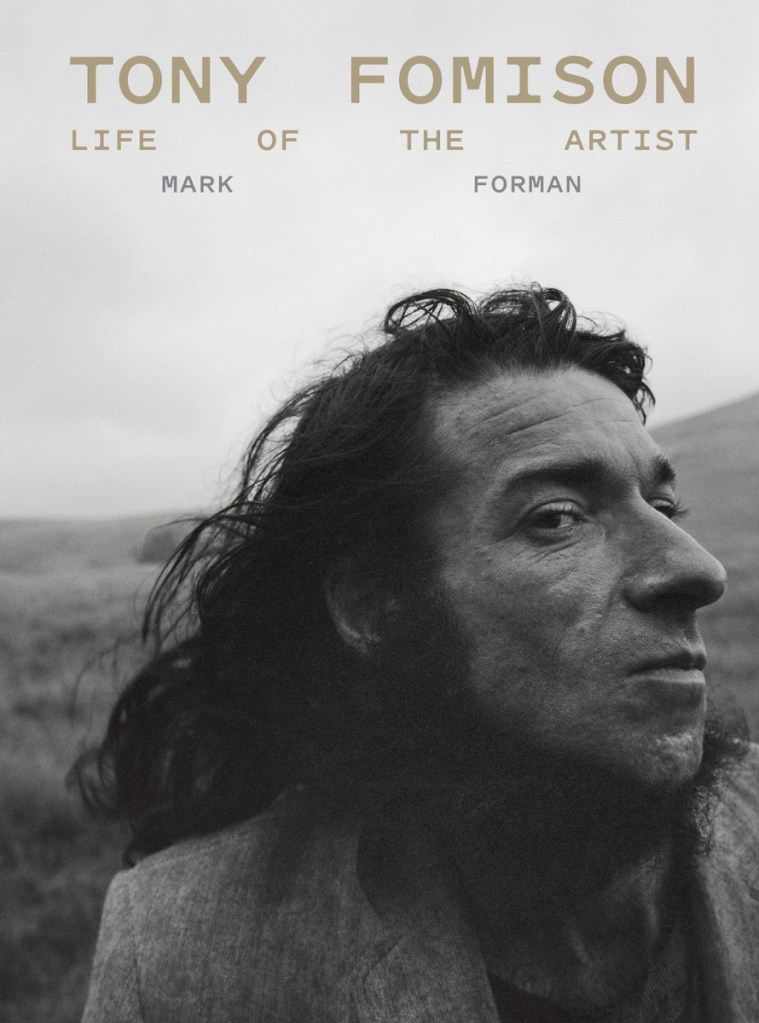
Tony Fomison : Life of the Artist
By Mark Forman
Auckland University Press
RRP $59.99
Reviewed by John Daly-Peoples
Mark Forman’s new book on Tony Fomison is a superb piece of scholarship which adds to our understanding of the life of one of the great New Zealand artists of the late twentieth century. His writing is particularly informative as there are no images of Fomison’s work in the book. The trustees of his estate, his three daughters, withheld permission to use his work because of assumptions and inaccuracies.
Forman has made up for this with perceptive descriptions of many of the artists important works as well as providing an understanding of the artist and the environment in which he developed his work
Forman’s detailed research, obvious from his bibliography along with the numerous interviews he had with other artists, family members and friends enabled him to give the reader insights into Fomison life and thoughts. He has also included a number of quotes from newspapers and magazines of reviews of the artist’s work and there are also accounts of Fomison irritation at unfavourable reviews.
Fomison had been to Ilam Art School at Canterbury University where he had met a number of artists who he would be friends for the rest of his life including Quentin McFarlane and Des Helmore, Later he would meet Philip Clairmont, Allen Maddox and Colin McCahon. He was also influenced by some of the tutors at Ilam notably Bill Sutton and Rudi Gopas.
In the chapters covering his later life Forman has accounts of his involvement with his various gallerists including Elva Bett, Tina and Kees Hos, Peter McLeavey as well as John Gow and Gary Langsford. There were also other important figures who helped and supported him such as Charles Brasch and Jim and Mary Barr
In the 1960s, Fomison began painting and exhibiting portraits that were, even then very different from many of the other portraits by his peers. His were often distorted, maniacal and tapped into his own troubled life.
Also in the 1960’s as well as pursuing an art career he studied and recorded a number of the Māori rock drawings in Canterbury which became part of his art references
The 1970s was a particularly troubled period in Fomison’s life after he had returned from Europe which had included a spell in a mental institution.
He was down and out, grappling with drug addiction, and he began producing work which was contemptuous and cynical about society.
Many of these artists he identified with were ‘outsider artists’ which Fomison identified with and his dark figures and landscape began to emerge in his paintings. His monsters, misfits, and medical deformities challenged polite society, and explored what it means to be an outsider. Fomison began to paint people on the edges of society, such as prisoners and the disfigured.
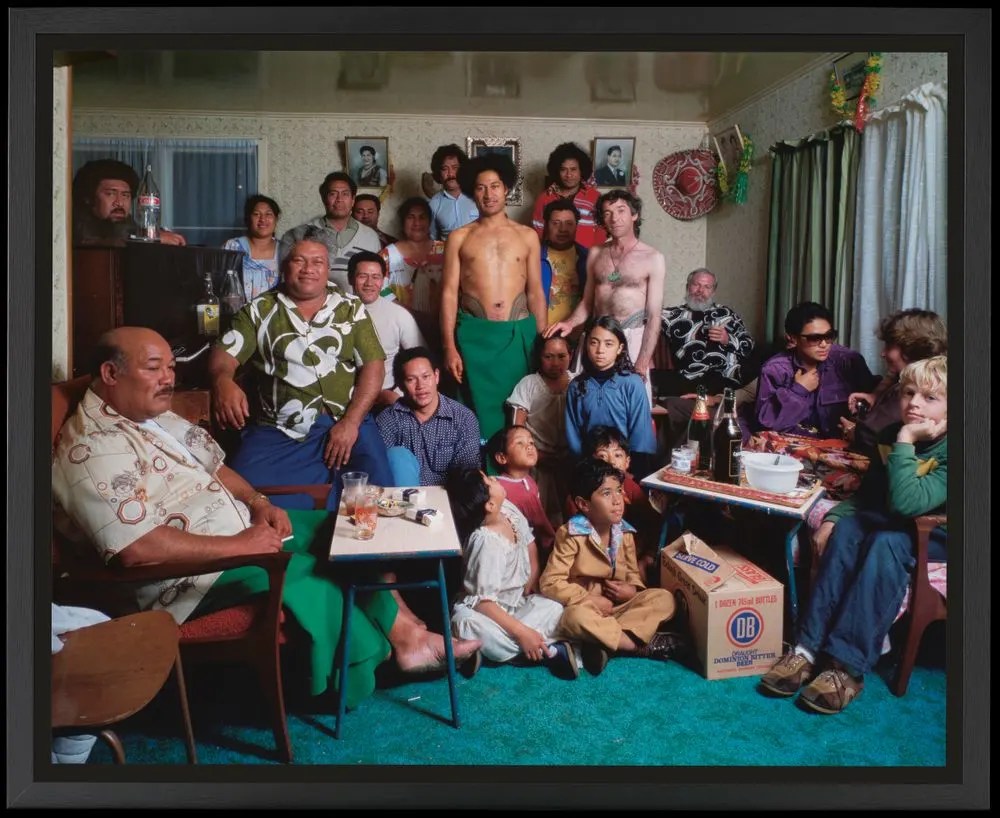
Living in Auckland for much of his life, he had a strong connection to the local Samoan community and in 1980 made the decision to be tattooed with a Samoan pe’a. This and his response to the Springbok tour of 1981was part of the artists unconventional or subversive approach to social and political issues
Forman includes numerous quotes from friends and fellow artists along with reviews which allude to Fomison’ s art as being related to distant periods rather than addressing contemporary issues so that Francis Pound said of his work that it was “akin to that of a seventeenth century primitive” while Hamish Keith wrote that his figures were “sinister and unpleasant… giving of an Old Master complex” and Peter Simpson said he “has something of the impoverished yet eloquent beauty of late Michelangelo”
Fomison led a challenging personal life, which often could be seen in his paintings. As Ian Wedde says, ‘Fomison persisted with thinking and with making art out of his thoughts.’ Following a trip to Europe in the mid 1960s, and a short stint in institutions, Fomison began to paint people on the edges of society, such as prisoners and the disfigured. He would repeatedly return to the theme of the ‘outsider’. Fomison’s work was also often ‘socially committed’, protest the state of the world.
In his career spanning three decades, Fomison produced some of New Zealand’s most significant paintings and drawings, which seemed to incorporate elements of his own physical journey as well as the spiritual and aesthetic journey, linking ideas that he developed along with his whimsical and dark attitude to life.
To subscribe or follow New Zealand Arts Review site – www.nzartsreview.org.
The “Follow button” at the bottom right will appear and clicking on that button will allow you to follow that blog and all future posts will arrive on your email.
Or go to https://nzartsreview.org/blog/, Scroll down and click “Subscribe”

 New Zealand Arts Review