Reviewed by John Daly-Peoples
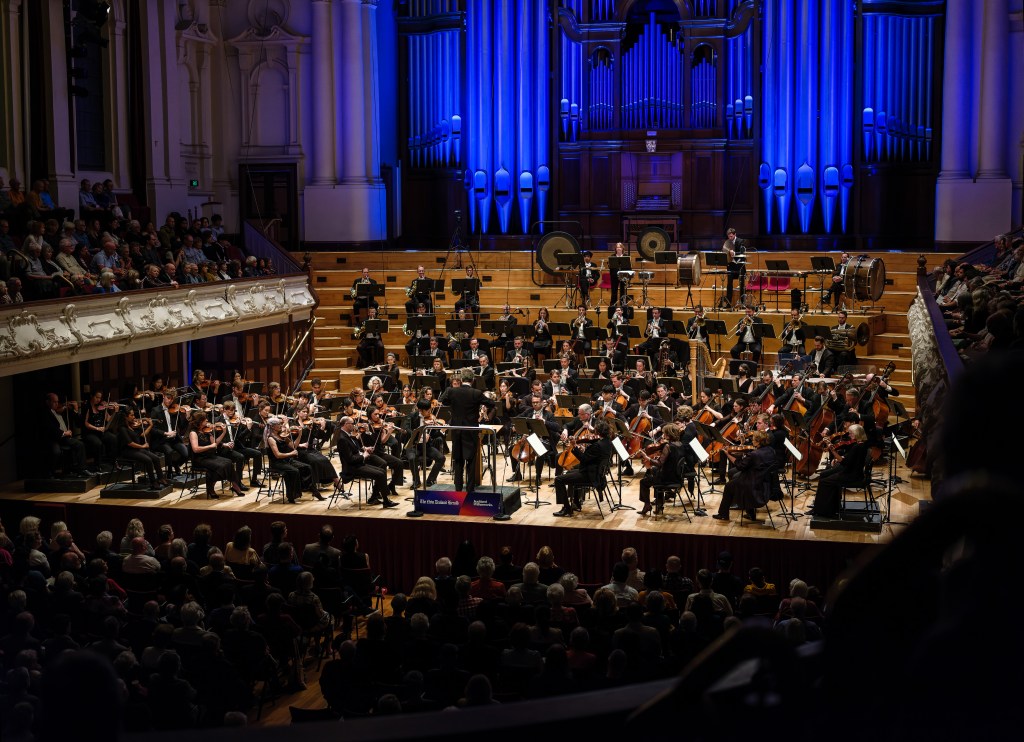
Auckland Philharmonia Orchestra
Mahler 5
Auckland Town Hall
November 11
Reviewed by John Daly-Peoples
One of the impressive things about Mahler’s music is that the man looms out of the music. He is present at these performances not only in the music , but also with the conductor becoming his alter ego. We are presented with the man and his struggle to express himself through his music in a way few other composers manage to achieve.
Later in life Mahler had a relationship with Sigmund Freud both as a client as well as friend but his relationships, family tragedies and psychological issues associated with these had disturbed him for most of his life. In many of his symphonies and particularly in his Symphony No 5 the music is an attempt to understand and explore his inner psychological struggles.
While it is an autobiographical work exploring the composer’s personality, there are parallel themes as he depicts narratives, landscapes and explores emotion states.
The measure of a great performance is the way in which these twin aspects of the composer’s life is realized by the conductor and the orchestra. Conductor Giordano Bellincampi and the APO certainly achieved it with an intelligent and emotional performance.
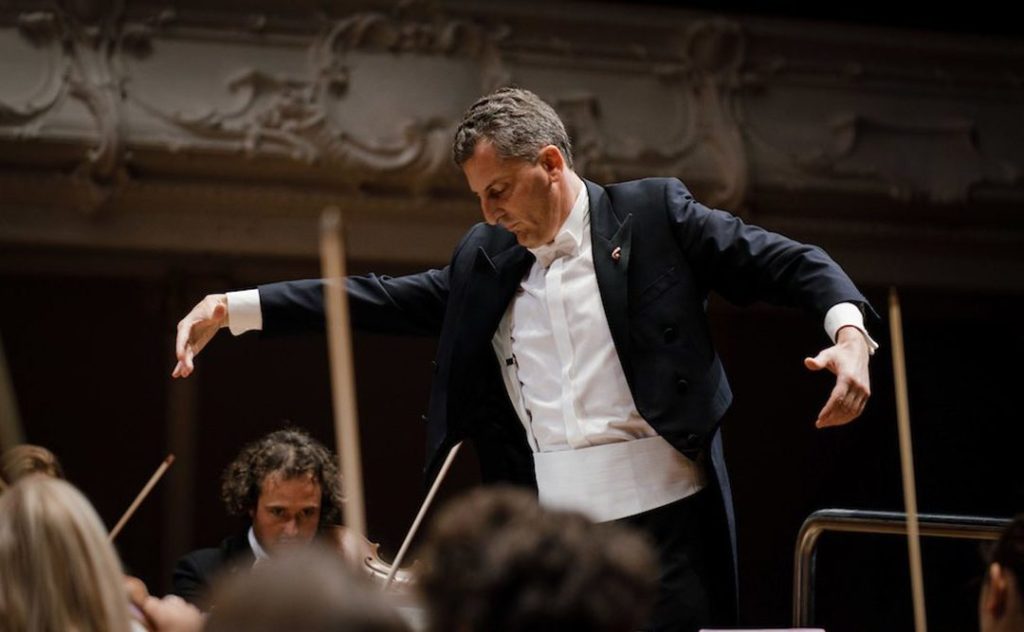
Bellincampi was firmly in control of the orchestra, understanding the drama, inventions and contrasts of the music. Subtle nuances were made evident and individual instruments were allowed to shine. Even the long silences between the movements became part of the music, allowing the audience to reflect on each of the previous movements.
Bellincampi managed to give the blaring, brass opening funereal march a sense of desolation while the singing strings provided a sense of optimism. This romantic reflective mood depicted the man trapped between despair and hope.
In the second movement Bellincampi seemed to be battling the ferocious sounds of the orchestra and the nightmarish, reckless drama of the music before it morphed into quiet reverie, bringing out nuances and subtleties that seemed to explore the tragedy and triumphs of human and personal history and he allowed the interweaving of the solo violin, the brass and the strings to give the work an intense melancholy.
The final two movements, which included the famous adagio for strings which is considered to be something of a love letter to his wife Alma Schindler, were delivered perfectly filled with an aching sense of love and loss.
The finale was filled with changing moods, alive with bight woodwinds and brass. Bellincampi led the orchestra in a brilliantly controlled finale where the doors of perception open and the funeral tones of much of the work are replaced by more exultant sounds offering hope and renewal.
The first half of the concert featured Richard Wagner’s work from two of his operas; the overture to Rienzi and Prelude and Liebestod from Tristan and Isolde.
Wagner’s music had a major influence on Mahler with Mahler’s work reflecting a Wagnerian aesthetic. Their music was dramatic and their orchestras were correspondingly large and often made use of massed brass instruments. Both composers liked big contrasts, periods of silence as well as extended melodies.
The two works showed these Wagner / Mahler characteristics although where Wagner conveyed the Nietzschean idea of the Super Man, Mahler was more focused on the flawed Common Man.
The major haunting theme from Tristan which has had a more recent exposure in “Melencholia”, the brooding apocalyptic film by von Trier with its notions of end-time and renewal.
To subscribe or follow New Zealand Arts Review site – www.nzartsreview.org.
The “Follow button” at the bottom right will appear and clicking on that button will allow you to follow that blog and all future posts will arrive on your email.
Or go to https://nzartsreview.org/blog/, Scroll down and click “Subscribe”

 New Zealand Arts Review