Reviewed by John Daly-Peoples

Rewi
Āta haere, kia tere
Jade Kake and Jeremy Hansen
Massey University Press
RRP $75.00
Reviewed by John Daly-Peoples
Rewi: Āta haere, kia tere is a major book exploring the work of the late architect Rewi Thompson (Ngāti Porou, Ngāti Raukawa) who was a groundbreaking designer and visionary thinker. It brings together a range of his projects, from conceptual work to innovative houses such as his own house and one which was designed for the German artist Katharina Grosse,
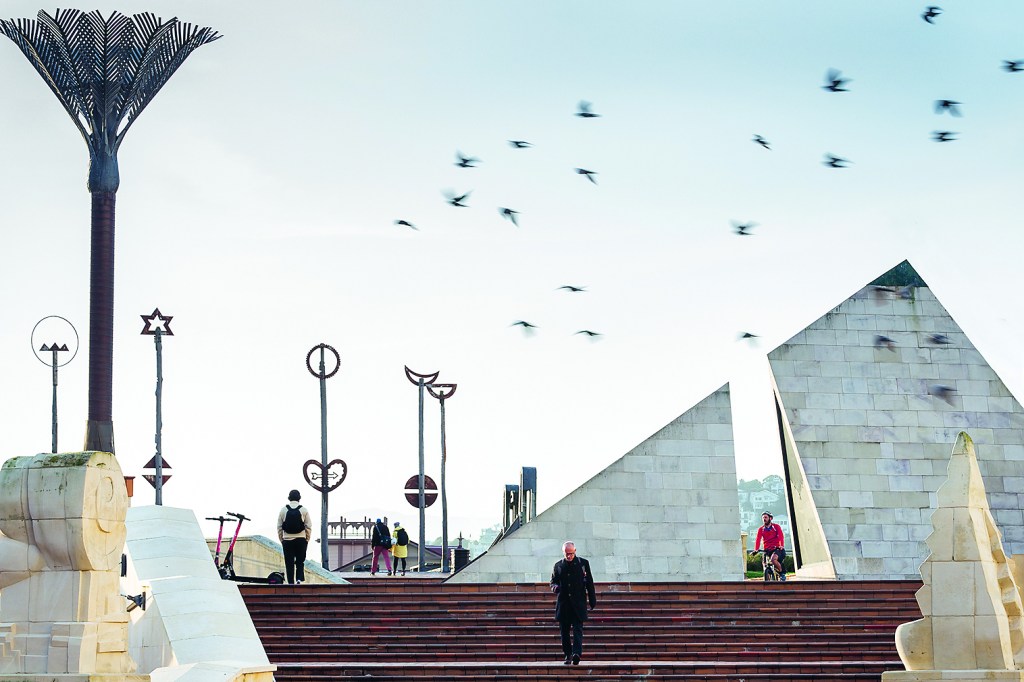
His public projects include Wellington’s City to Sea Bridge, Puukenga School of and Māori Studies at Unitec in Auckland. He was also involved in a proposal for the new Te Papa Museum in Wellington with Calder, Fowler Athfield Architects and Frank Gehry. This was half a dozen years before Gehry’s Guggenheim Bilbao. This was one of the great unrealised New Zealand architectural projects which would have given the country a truly iconic building.
His involvement with projects such as the Mason Clinic the Ngawha Correction facility and the Kaitaia Hospital saw him become influence on the design of prisons and mental health institutions.
He had a wide range of projects including an involvement with the “Future Islands” exhibition where New Zealand exhibited work at the Venice Architectural Biennale in 2016 which consisted of several dozen models of important New Zealand houses, all floating on clouds.
He originally trained as an engineer at Wellington Polytechnic and, for a short time, worked as a structural draughtsperson at Structon Group before to studying architecture at the University of Auckland. This combination of engineer and architect gave him both a pragmatic and creative approach to his work.
He established his own practice in 1983 and over the years worked with many other important New Zealand and international architects.
While he often dismissed the idea of Māori contemporary architecture and himself as a Māori architect many of his works are based on Māori concepts of design, inclusion and development. The subtitle of book Āta haere, kia tere roughly translates as “go slow go fast”, the idea of thinking thoroughly through a design issue before embarking on the actual design. It was concept which applies to Thompson’s way of working whereby he sought to understand the needs of the client, the challenges of the site and the aims of the projects, fully before producing his designs.
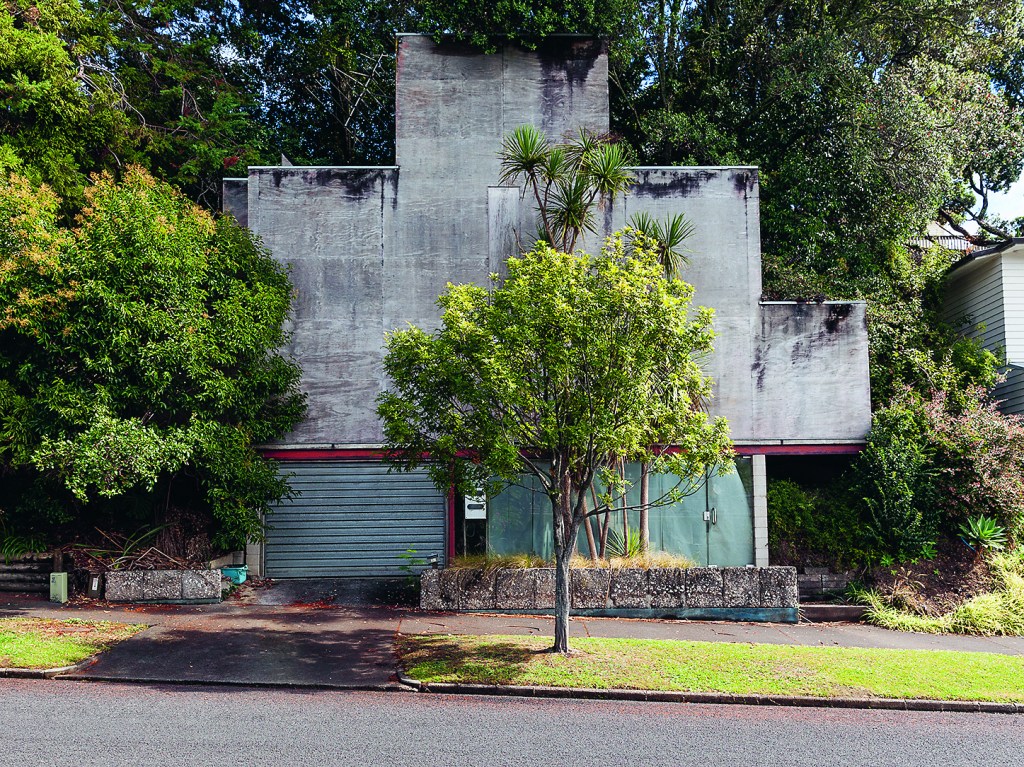
His own house which has only recently been saved from destruction has a ziggurat form which references the Māori poutama (stairway to heaven) tukutuku pattern as well as well as referencing the ideas of geometric abstraction.
Through his connections to Ngāti Porou and Ngāti Raukawa fundamentally concerned with land and people, and conviction that architecture could return identity and well-being to people suffering from cultural estrangement.
The 455-page book is filled with images of his buildings which include many of his sketches which provide an understanding of his thoughts and spatial concerns.
The authors have also included a Creative Process section which features dozens of his drawing not necessarily linked to any particular project but they give a sense of the man who thought visually and spatially.
The book includes many of his own writings as well as a number on extensive interviews with people who knew him and worked with him all if which help expand an understanding of the way he thought and worked.
.
Rewi’s bright pink signature on the cover of the book is a reference to a project he undertook as a mature first year architectural student with his bach on an exposed bush-clad site. All the other students had tried to integrate their designs into the bush but Rewi painted his bright pink which was both an indication of his innovative approach to architecture as well as a more subtle understanding of the way architecture sits on the landscape.

 New Zealand Arts Review